
Dong Quai - Root
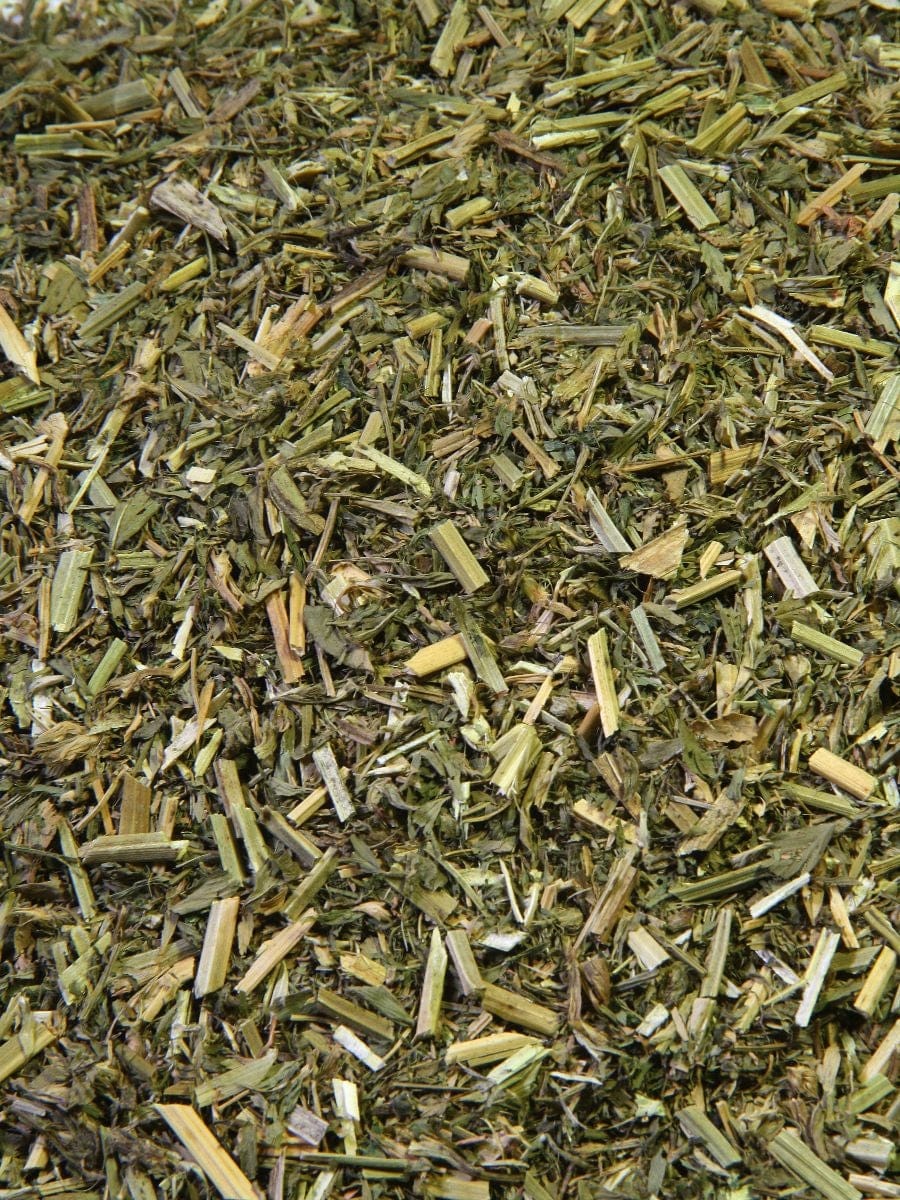
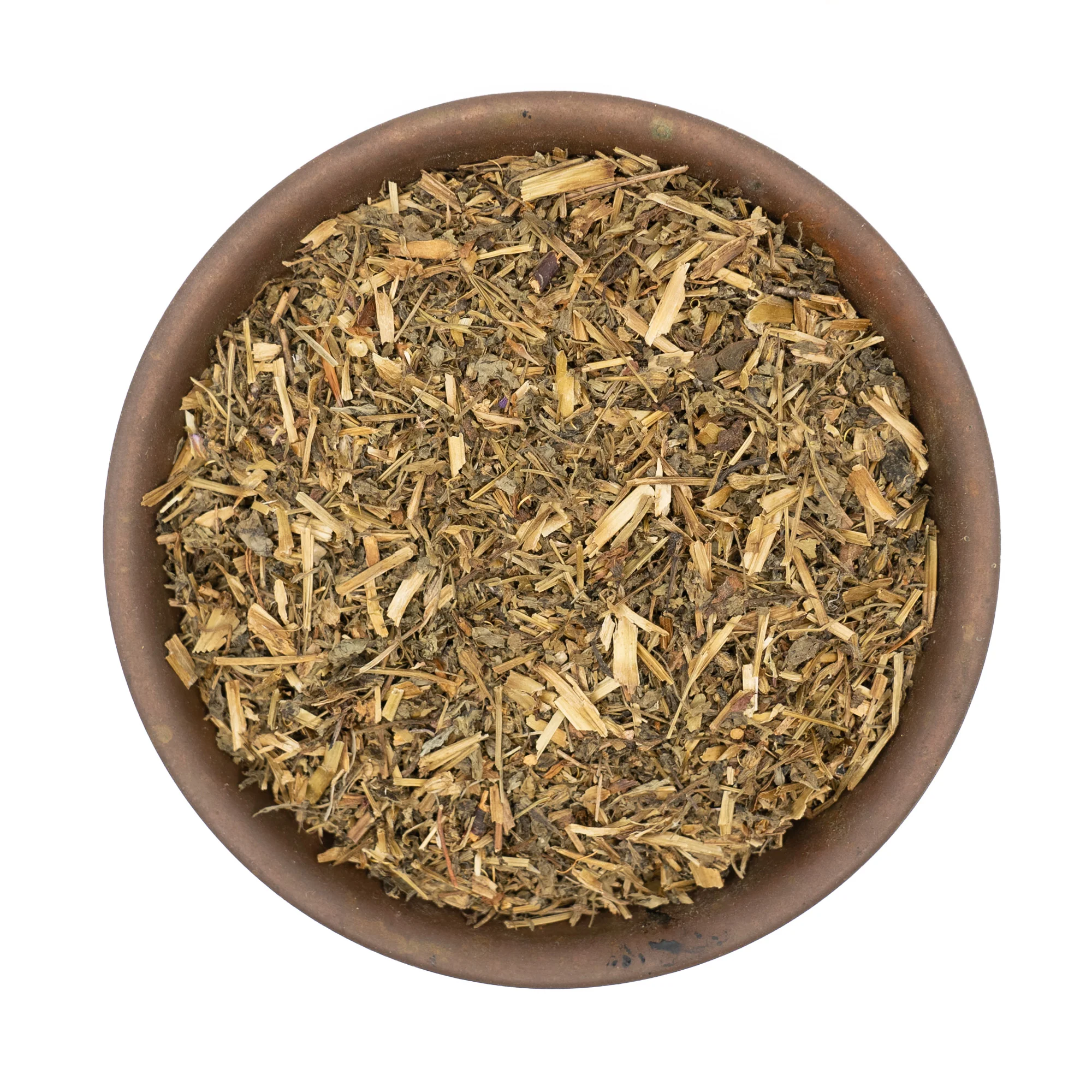
Dong Quai root (Angelica sinensis), known as “female ginseng,” has been used for centuries in Traditional Chinese Medicine to nourish blood, regulate menstruation, and support recovery after childbirth. Rich in phytonutrients and mildly warming, it’s taken as a tea or tincture and often blended into women’s wellness formulas.
- Traditionally used to regulate menstruation, ease cramps, and support menopausal transitions
- Promotes circulation and nourishes blood — taken during recovery, fatigue, or postpartum
- May support mood balance, skin health, and joint comfort through improved blood flow
- Backed by research for anti-inflammatory, neuroprotective, and hormone-modulating effects
- Often used in formulas with peony, astragalus, or rehmannia for broader reproductive support
Decoction: Simmer 3–10 g of dried cut root in water for 20–30 mins. Often paired with ginger or dates. Drink warm, especially during cycle or seasonal transitions.
Blends: Combine with peony, rehmannia, chaste tree, or red clover in women’s support formulas. Also found in postpartum tonics or fertility teas (follicular phase only).
Tincture: Take 2–4 mL of 1:2 extract once or twice daily. Can be blended with adaptogens or hormone-balancing herbs.
Capsules: Dose typically ranges from 3–6 g root per day. Use under guidance for hormone-related symptoms.
Culinary use: Add a few slices to soups or broths as a traditional postpartum restorative. Also featured in Chinese tonic wines.
Dong Quai is deeply respected in Chinese and Western herbalism as a women’s tonic and restorative herb. It’s best used during cooler months or times of depletion. Common in Si Wu Tang (Four Substance Decoction) and Dang Gui Bu Xue Tang. Some use it as part of pre-conception or menopause support, though it’s rarely used alone. The taste is earthy and slightly bitter-sweet.
Not for use during pregnancy. Avoid with anticoagulants or hormone-sensitive conditions unless professionally supervised. May cause sun sensitivity or digestive upset in some individuals.
- Actions: Blood tonic, antispasmodic, mild estrogenic, anti-inflammatory, emmenagogue
- Systems: Reproductive, cardiovascular, musculoskeletal, nervous
- Energetics: Warming, moistening, moving
- Pairings: Peony, rehmannia, astragalus, chaste tree, shatavari
- Clinical note: Do not use during pregnancy or with heavy menstruation. Caution in blood-thinning medications or hormone-sensitive disorders.
This information is for general reference only. Always consult your practitioner if pregnant, breastfeeding, on medication, or managing hormone-related conditions. Not suitable for children or during active bleeding.
Product Information
Product Information
Shipping & Returns
Shipping & Returns
Description
Dong Quai root (Angelica sinensis), known as “female ginseng,” has been used for centuries in Traditional Chinese Medicine to nourish blood, regulate menstruation, and support recovery after childbirth. Rich in phytonutrients and mildly warming, it’s taken as a tea or tincture and often blended into women’s wellness formulas.
- Traditionally used to regulate menstruation, ease cramps, and support menopausal transitions
- Promotes circulation and nourishes blood — taken during recovery, fatigue, or postpartum
- May support mood balance, skin health, and joint comfort through improved blood flow
- Backed by research for anti-inflammatory, neuroprotective, and hormone-modulating effects
- Often used in formulas with peony, astragalus, or rehmannia for broader reproductive support
Decoction: Simmer 3–10 g of dried cut root in water for 20–30 mins. Often paired with ginger or dates. Drink warm, especially during cycle or seasonal transitions.
Blends: Combine with peony, rehmannia, chaste tree, or red clover in women’s support formulas. Also found in postpartum tonics or fertility teas (follicular phase only).
Tincture: Take 2–4 mL of 1:2 extract once or twice daily. Can be blended with adaptogens or hormone-balancing herbs.
Capsules: Dose typically ranges from 3–6 g root per day. Use under guidance for hormone-related symptoms.
Culinary use: Add a few slices to soups or broths as a traditional postpartum restorative. Also featured in Chinese tonic wines.
Dong Quai is deeply respected in Chinese and Western herbalism as a women’s tonic and restorative herb. It’s best used during cooler months or times of depletion. Common in Si Wu Tang (Four Substance Decoction) and Dang Gui Bu Xue Tang. Some use it as part of pre-conception or menopause support, though it’s rarely used alone. The taste is earthy and slightly bitter-sweet.
Not for use during pregnancy. Avoid with anticoagulants or hormone-sensitive conditions unless professionally supervised. May cause sun sensitivity or digestive upset in some individuals.
- Actions: Blood tonic, antispasmodic, mild estrogenic, anti-inflammatory, emmenagogue
- Systems: Reproductive, cardiovascular, musculoskeletal, nervous
- Energetics: Warming, moistening, moving
- Pairings: Peony, rehmannia, astragalus, chaste tree, shatavari
- Clinical note: Do not use during pregnancy or with heavy menstruation. Caution in blood-thinning medications or hormone-sensitive disorders.
This information is for general reference only. Always consult your practitioner if pregnant, breastfeeding, on medication, or managing hormone-related conditions. Not suitable for children or during active bleeding.